Coverage Comparison · 8 min read
Wakesurf vs. Wakeboard vs. Ski Boat Insurance: What's Actually Different
Three boat types, three different real risk profiles. Here's what actually changes in your coverage depending on which one you own — and why it matters when you're comparing quotes.
July 26, 2026
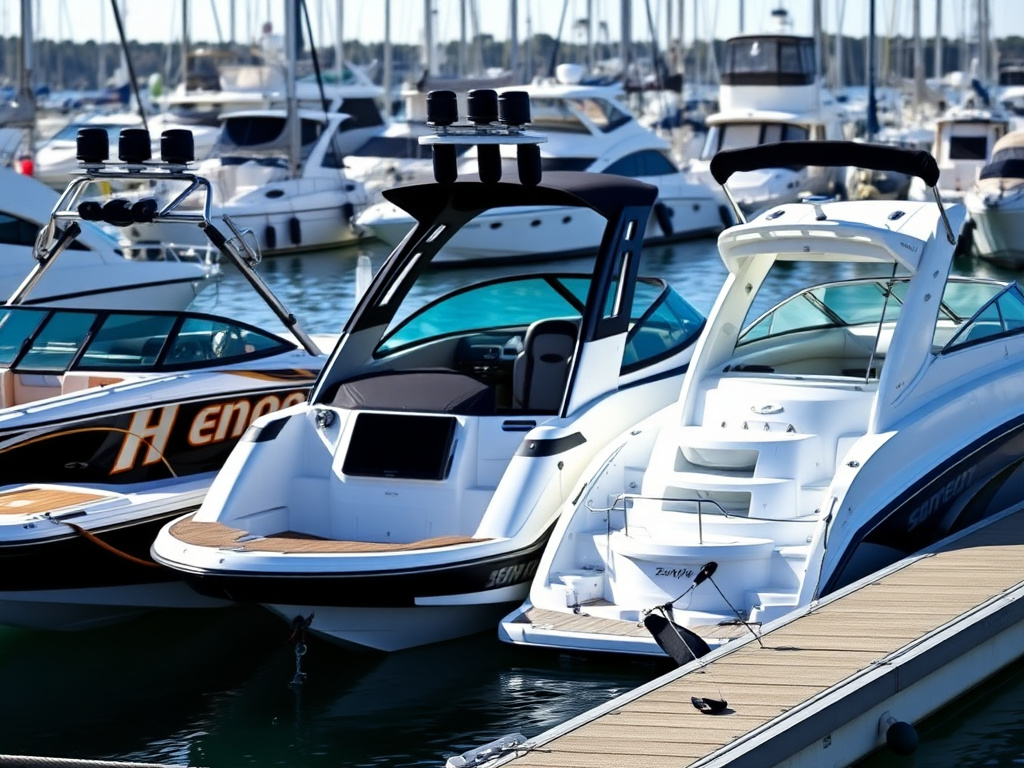
If you've shopped boat insurance for a wake or surf boat, you've probably noticed most quotes ask the same handful of questions regardless of what kind of boat you actually own: length, horsepower, value. That's a problem, because a wakesurf boat, a wakeboard boat, and a general-purpose ski boat or runabout carry genuinely different insurance risk profiles — different equipment value, different rider proximity, sometimes different drivetrains entirely.
Wakesurf boats: ballast and surf gates change the equation
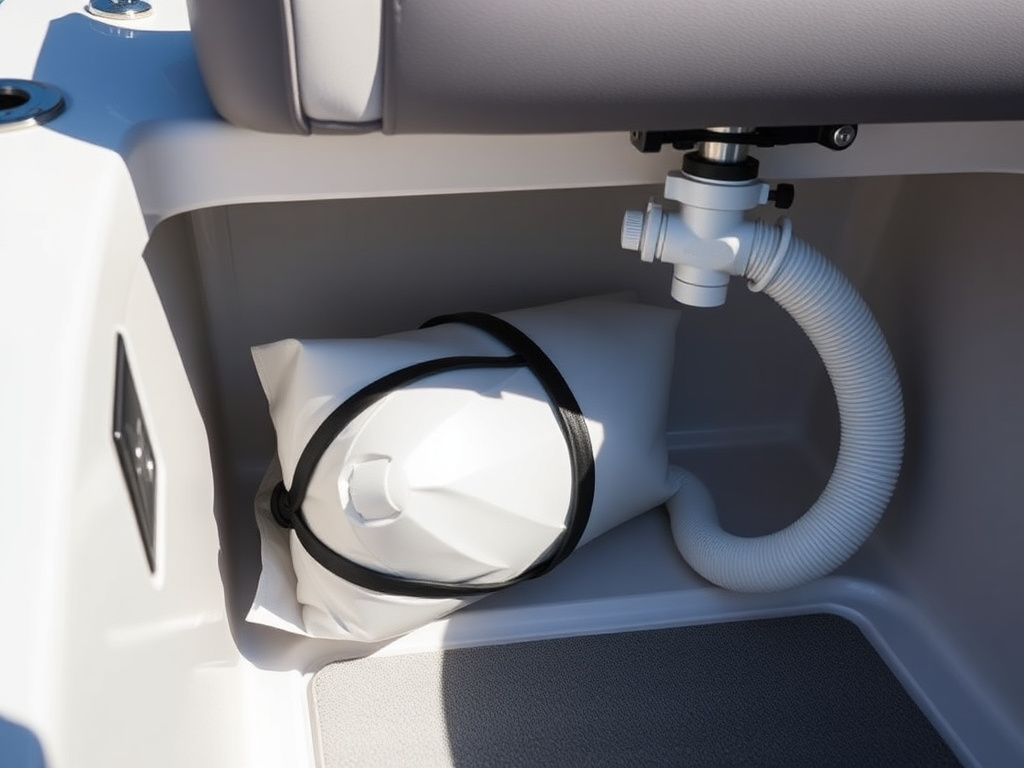
A wakesurf-focused boat is built around producing a specific, ridable wake close behind the transom — which means a substantial integrated ballast system, often a surf gate, and sometimes additional trim/wedge hardware. This equipment routinely represents real, significant value beyond the base hull, and it's exactly the kind of equipment a generic boat quote doesn't specifically ask about. On the liability side, wakesurfers ride much closer to the boat than a traditional water skier, which is a distinct proximity consideration underwriters weigh.
Wakeboard boats: the tower is the story
Wakeboard-focused boats put more emphasis on the tower itself — height, board racks, speaker mounting, sometimes tower lighting — built to support a bigger, more deliberately shaped wake and a longer tow line than wakesurfing typically uses. Riders are farther from the boat than a wakesurfer, but the riding itself is often more aggressive — tricks, air, hard cuts — which raises injury-severity potential in a different way than close-proximity wakesurfing does. Tower equipment value is the piece most likely to be under-covered on a generic policy.
Ski boats & runabouts: a different baseline
A general-purpose ski boat or runabout typically carries less integrated ballast and tower equipment, is often ridden at higher speeds with less emphasis on producing a large wake, and may use a sterndrive or outboard rather than a direct-drive or V-drive inboard. If you occasionally tow a wakesurfer or wakeboarder behind a boat that wasn't purpose-built for it, it's genuinely worth confirming that your policy extends towing-sport liability for that use, rather than assuming a general boat policy already covers it the same way a wake-specific policy would.
Drivetrain matters too
Wake and surf boats are overwhelmingly inboard-powered — direct-drive or V-drive configurations that place the engine amidships or toward the stern. That's central to producing a clean wake, but it also means engine and drivetrain repairs after a covered-peril loss are typically more integrated and labor-intensive than a bolt-on outboard replacement common on many ski boats and runabouts. See our full breakdown of engine & mechanical breakdown coverage for more on how this affects your policy.
The throughline: hull and equipment design drive physical damage structure, rider proximity and riding intensity drive liability weighting, and drivetrain drives mechanical coverage complexity. All three boat types get priced around their actual real-world risk profile, not a single shared "boat" template.
Where the three actually overlap
All three share the same core coverage categories — on-water liability, agreed value physical damage, and guest/passenger protection — and all three can benefit from seasonal lay-up coverage if they see a real off-season, and from towing and on-water assistance for mechanical breakdowns. The categories are the same; the weighting and the specific risk assumptions inside each category are what differ.
Why this matters when you're shopping coverage
If an agent or carrier quotes your boat using a generic "boat" template without asking about tower, ballast, or surf-gate equipment, or without asking how close your riders typically get to the boat, you may be getting coverage that doesn't quite fit — either overpriced for risks your boat doesn't really carry, or under-structured in ways that create a real gap. The right question to ask any quote is simple: does this policy actually reflect how my specific boat is built and how I actually ride it, or is it a generic boat policy with my boat type typed into a form field?
Getting a policy built around your specific boat
Whether you're on a wakesurf boat, a wakeboard boat, or a ski boat/runabout used for occasional wake sports, the right policy starts with your specific boat's equipment, capacity, and how you actually ride it — not a one-size-fits-all boat category. If you're comparing a generic boat insurance quote against wake-specific coverage, ask us to walk through exactly where the two differ for your boat.
Quick Answers
Related Questions
Is wakesurf boat insurance more expensive than wakeboard boat insurance?
+
Not automatically — it depends on the specific boats being compared. Wakesurf boats often carry higher ballast/surf-gate equipment value; wakeboard boats often carry higher tower equipment value and more aggressive-riding liability weighting. The two factors can offset depending on the boats and how they're used.
Does a ski boat need different insurance than a wake boat?
+
The core coverage categories are the same, but a ski boat or runabout typically carries less tower/ballast equipment value and different liability weighting given lower typical rider proximity — worth confirming explicitly if you occasionally tow wakesurfers or wakeboarders behind it.
Keep Reading
More Guides
Get wake boat coverage built around how you ride
Tell us about your boat, your ballast/tower setup, and how you actually ride and we'll come back with a coverage combination priced to your real usage — not a flattened generic boat quote.