Inboard-Specific Coverage
Engine & Mechanical Breakdown Coverage for Inboard Wake Boats
Coverage built around how inboard direct-drive and V-drive drivetrains actually fail — distinct from a typical outboard boat's engine exposure.
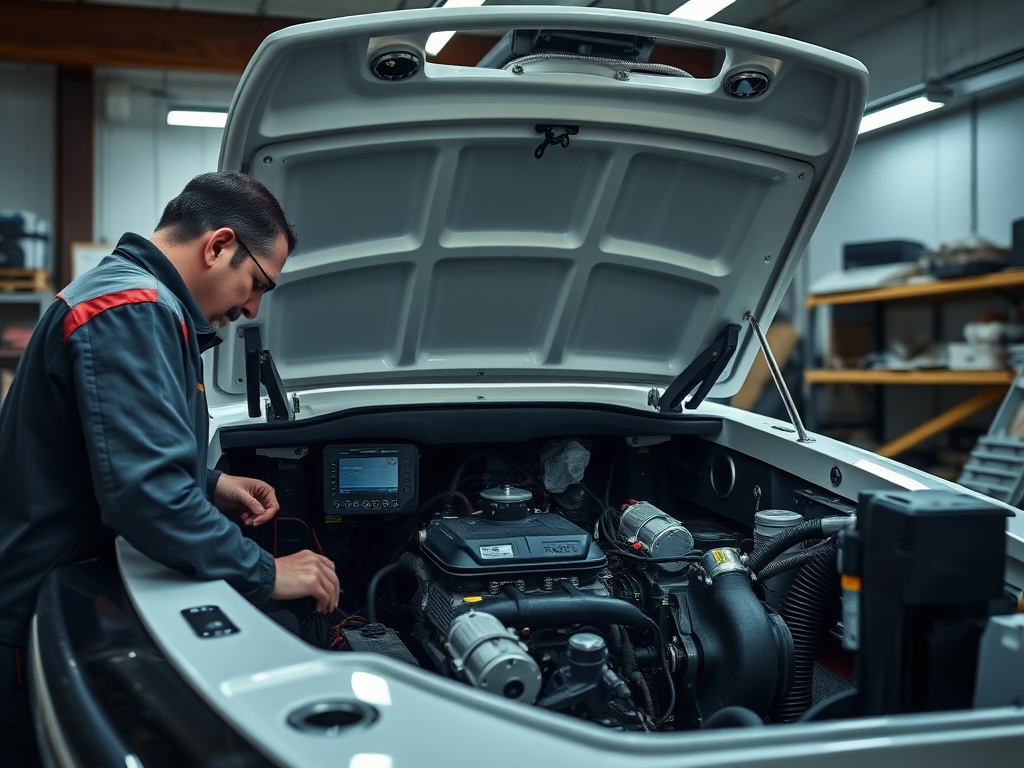
Wake and surf boats are almost universally inboard-powered — direct-drive or V-drive configurations that place the engine amidships or toward the stern, driving a straight shaft to the prop. That layout is central to producing a clean, shapeable wake, but it also means the engine and drivetrain fail in different ways, and get repaired through a different (and often costlier) process, than a typical outboard.
This coverage addresses damage to your engine and drivetrain from a covered peril — collision, sinking, fire — and explains where a standard mechanical-wear exclusion applies, so there are no surprises about what is and isn't covered.
What's covered
- ✓Engine and drivetrain damage from collision, grounding, or fire
- ✓Water ingestion / hydrolock damage from a covered sinking or swamping event
- ✓Shaft, strut, and rudder damage from a covered impact
- ✓Damage to the transmission or V-drive unit from a covered peril
- ✓Salvage and post-incident inspection costs tied to a covered engine-related loss
- ✓Coordination with manufacturer/dealer service for inboard-specific repair work
Who needs this
- ✓Every inboard direct-drive or V-drive wake boat owner
- ✓Owners of higher-horsepower inboards with a more expensive drivetrain to replace
- ✓Owners who store or trailer their boat where a freeze or flood event is a realistic risk
- ✓Anyone who has priced an inboard engine or V-drive replacement and knows the real cost
- ✓Owners comparing a wake-specific policy against a generic boat policy that doesn't ask about drivetrain configuration
How inboard failure patterns differ from outboards
An outboard sits outside the transom and is comparatively simple to inspect, remove, and replace as a self-contained unit. An inboard direct-drive or V-drive engine and its shaft, strut, and rudder assembly are integrated into the hull structure — which means a covered-peril loss (collision, sinking, fire) often involves more extensive, more labor-intensive repair work, and sometimes hull-related work alongside the engine repair itself. Coverage that understands this distinction responds more accurately than a generic outboard-oriented boat policy.
- Direct-drive: engine mounted low and central, shaft runs nearly straight to the prop
- V-drive: engine mounted toward the stern facing forward, drive unit reverses power flow to the shaft
- Both configurations involve more integrated, hull-adjacent repair work than a bolt-on outboard
What's a covered peril vs. what's mechanical wear
Like most marine policies, mechanical breakdown from ordinary wear, age, or lack of maintenance is typically excluded — that's true across the industry, not specific to wake boats. What is covered is damage to the engine or drivetrain resulting from a covered peril: a collision, a grounding that damages the shaft or strut, fire, or hydrolock/water damage from a covered sinking or swamping event. The distinction matters, and we'll walk through exactly where your specific policy draws that line.
Why proper winterization protects this coverage
A significant share of inboard engine and ballast-related freeze damage claims trace back to incomplete winterization — water left in the block, exhaust, or ballast lines that freezes and cracks components. Proper lay-up procedure (see seasonal lay-up coverage) directly reduces the odds of exactly this kind of claim, which is one more reason lay-up and engine coverage are worth thinking about together rather than in isolation.
What Drives The Cost
What Affects Engine & Mechanical Breakdown Pricing
| Engine size & horsepower | Higher-horsepower inboard engines carry higher replacement/repair cost. |
|---|---|
| Drivetrain configuration | Direct-drive vs. V-drive affects typical repair complexity and cost. |
| Boat age | Newer inboards often favor agreed value pairing with this coverage; older engines may see ACV-based pricing. |
| Storage & winterization practices | Properly winterized, indoor-stored boats present lower freeze-related claim risk. |
| Claims history | A clean engine/mechanical claims history earns credits over time. |
Common Questions
Engine & Mechanical Breakdown FAQ
Does boat insurance cover a blown engine?
+
It depends on cause. Ordinary mechanical wear, age-related failure, or a lack of maintenance is typically not covered — that's standard across marine insurance. Damage from a covered peril like collision, fire, or a covered sinking/hydrolock event is a different story and is generally covered.
Is a direct-drive or V-drive engine more expensive to insure?
+
Not dramatically on its own — horsepower, boat value, and use pattern matter more than drivetrain configuration alone. What differs is claims complexity: inboard repairs after a covered-peril loss are often more integrated and labor-intensive than a bolt-on outboard replacement.
Does this cover freeze damage to my engine or ballast lines?
+
Freeze damage from a covered event, tied to proper disclosed storage, can be addressed under this coverage and seasonal lay-up coverage together — improper or incomplete winterization is the most common cause of exactly this type of claim, so proper lay-up procedure matters.
Do I need a separate mechanical breakdown warranty in addition to this coverage?
+
They serve different purposes. A mechanical breakdown warranty (often sold by the dealer or manufacturer) covers ordinary wear-related failures; this policy coverage responds to covered-peril damage like collision, fire, or sinking. Many owners carry both for full protection.
Related Coverage
You Might Also Need
Agreed Value Coverage
A fixed, pre-agreed payout on a total loss — the right call for a boat whose value sits heavily in tower, ballast, and surf equipment that depreciates unevenly.
Learn moreSeasonal Lay-Up Coverage
Automatically reduces liability premium while your boat is winterized and stored, matched to your real riding season and ballast-system storage needs.
Learn moreTowing & On-Water Assistance
A tow back to the ramp or marina, jump-starts, and fuel delivery after a mechanical breakdown — so a stall doesn't strand your crew on the water.
Learn moreGet wake boat coverage built around how you ride
Tell us about your boat, your ballast/tower setup, and how you actually ride and we'll come back with a coverage combination priced to your real usage — not a flattened generic boat quote.