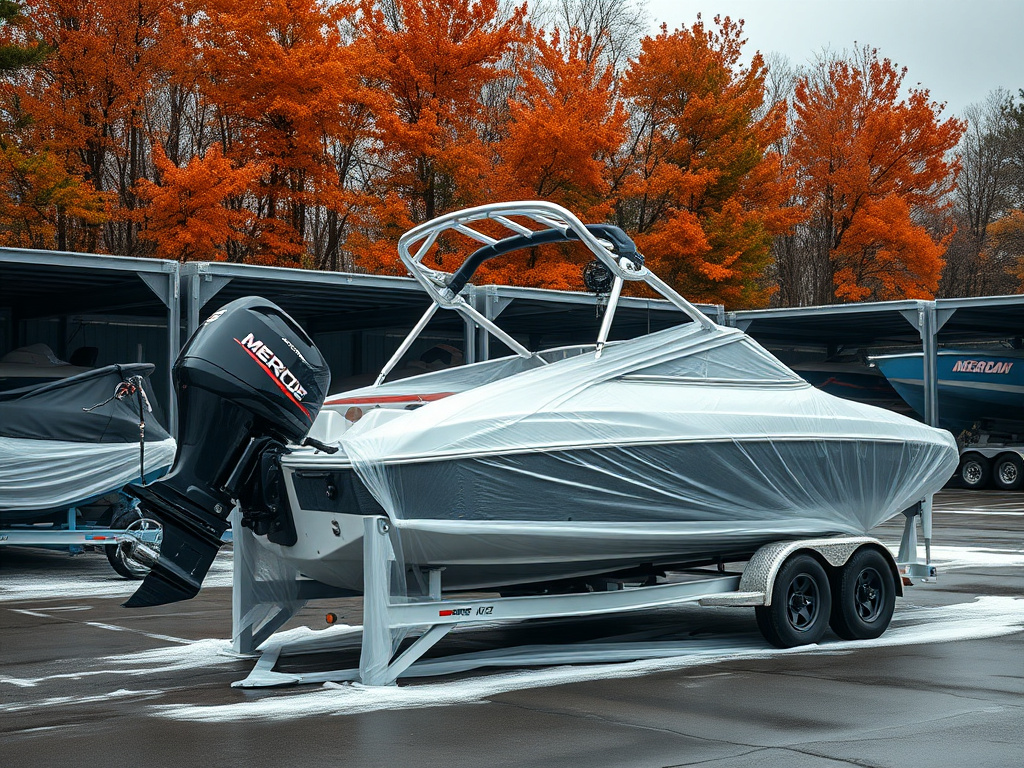
Off-Season Savings
Seasonal & Lay-Up Coverage for Wake Boats
Automatically reduces liability premium while your boat is winterized and stored, matched to your real riding season and ballast-system storage needs.
Most wake and surf boats in most inboard markets sit stored for a real off-season — commonly 4 to 7 months a year depending on climate. Seasonal & lay-up coverage lets you set an in-season window matched to when you actually ride, so you're not paying full operational-liability premium during the months the boat is winterized and sitting in storage.
For wake boats specifically, lay-up coverage should also account for ballast-system storage — ballast tanks and lines that aren't properly drained and winterized are a real freeze-damage risk, which is why we ask about ballast winterization procedure as part of setting up lay-up coverage, not just storage dates.
What's covered
- ✓Reduced operational liability and towing-sport coverage during your declared lay-up window
- ✓Continued fire, theft, and vandalism protection on the boat during storage
- ✓Continued weather-damage protection while winterized and stored
- ✓In-season coverage that automatically restores at your declared re-launch date
- ✓Ballast-system-aware storage questions to help you avoid a common freeze-damage claim
- ✓Flexibility to adjust dates if your real season shifts
Who needs this
- ✓Any owner in a climate with a genuine off-season (most inboard wake-boat markets)
- ✓Owners who store their boat 4+ months a year
- ✓Owners looking to lower total annual premium without dropping coverage entirely
- ✓Owners with integrated or aftermarket ballast systems that need proper winterization
- ✓Anyone currently paying full-season premium on a boat that sits stored much of the year
How lay-up coverage actually works
You set in-season and lay-up dates on your policy based on your real riding season, not a generic regional assumption. During in-season, you carry full coverage, including on-water liability and towing-sport coverage. During lay-up, operational liability and towing-sport coverage step down or pause, while fire, theft, vandalism, and weather protection stay in force the whole time the boat is stored.
- In-season: full liability, towing-sport, and physical damage coverage active
- Lay-up: fire/theft/vandalism/weather protection stays active; operational liability steps down
- Dates matched to your real season, not a generic regional default
Why ballast winterization matters for lay-up coverage on a wake boat
Ballast tanks, bags, and fill/pump lines that retain water over winter are a documented source of freeze-related damage claims — cracked fittings, split bags, and pump failures that only surface at spring re-launch. Because this is specific to wake/surf boats and doesn't come up on a generic boat lay-up conversation, we walk through your ballast system's winterization procedure directly as part of setting up your lay-up dates, not as an afterthought.
How much lay-up coverage can actually save you
Savings depend on your boat's value and how much of the year it's genuinely out of use, but for owners with a true multi-month off-season, lay-up coverage is typically the single biggest lever on total annual premium — often a larger swing than any other single coverage decision. We'll run real numbers against your specific boat and storage pattern.
What Drives The Cost
What Affects Seasonal Lay-Up Coverage Pricing
| Length of lay-up period | A longer, accurately declared off-season produces greater potential premium savings. |
|---|---|
| Storage location & security | Indoor/heated storage typically rates more favorably than outdoor storage for theft and weather exposure. |
| Ballast winterization procedure | Properly drained/winterized ballast systems present lower freeze-claim risk. |
| Boat value | Higher agreed value affects the dollar impact of lay-up savings on total premium. |
| Climate & realistic season length | Colder-climate markets with a hard, defined season typically see the largest lay-up savings. |
Common Questions
Seasonal Lay-Up Coverage FAQ
Can I insure my wake boat only for the months I actually ride?
+
Yes — that's exactly what seasonal lay-up coverage is built for. You set an in-season window matched to your real riding season, and coverage adjusts accordingly, while physical damage protection stays active year-round.
Do I need to formally winterize my ballast system for lay-up coverage to apply?
+
Lay-up coverage is generally tied to your stated dates and how/where the boat is stored, not a specific checklist — but properly draining and winterizing your ballast system is genuinely good practice, since it materially reduces the odds of a freeze-damage claim at spring re-launch.
Is my wake boat covered for theft or fire while it's in off-season storage?
+
Yes — that's one of the central features of lay-up coverage. Physical damage protection against fire, theft, and vandalism stays active during the lay-up period, even though operational liability steps down.
How much can lay-up coverage actually save on a wake boat?
+
It depends on your boat's value and season length, but for owners with a true off-season, it's usually the single biggest lever on total annual premium. We'll run real numbers for your boat and storage setup.
Related Coverage
You Might Also Need
Agreed Value Coverage
A fixed, pre-agreed payout on a total loss — the right call for a boat whose value sits heavily in tower, ballast, and surf equipment that depreciates unevenly.
Learn moreEngine & Mechanical Breakdown
Coverage built around how inboard direct-drive and V-drive drivetrains actually fail — distinct from a typical outboard boat's engine exposure.
Learn moreWatersports Gear Coverage
Wakeboards, surfboards, ropes and handles, life vests, and portable electronics kept aboard — protected against theft, weather, and loss.
Learn moreGet wake boat coverage built around how you ride
Tell us about your boat, your ballast/tower setup, and how you actually ride and we'll come back with a coverage combination priced to your real usage — not a flattened generic boat quote.