Rider-Specific Coverage
Guest & Passenger Liability for Wake Boats
Protection if a guest, passenger, spotter, or towed rider is injured aboard or behind your wake boat — sized to how many people you actually carry.
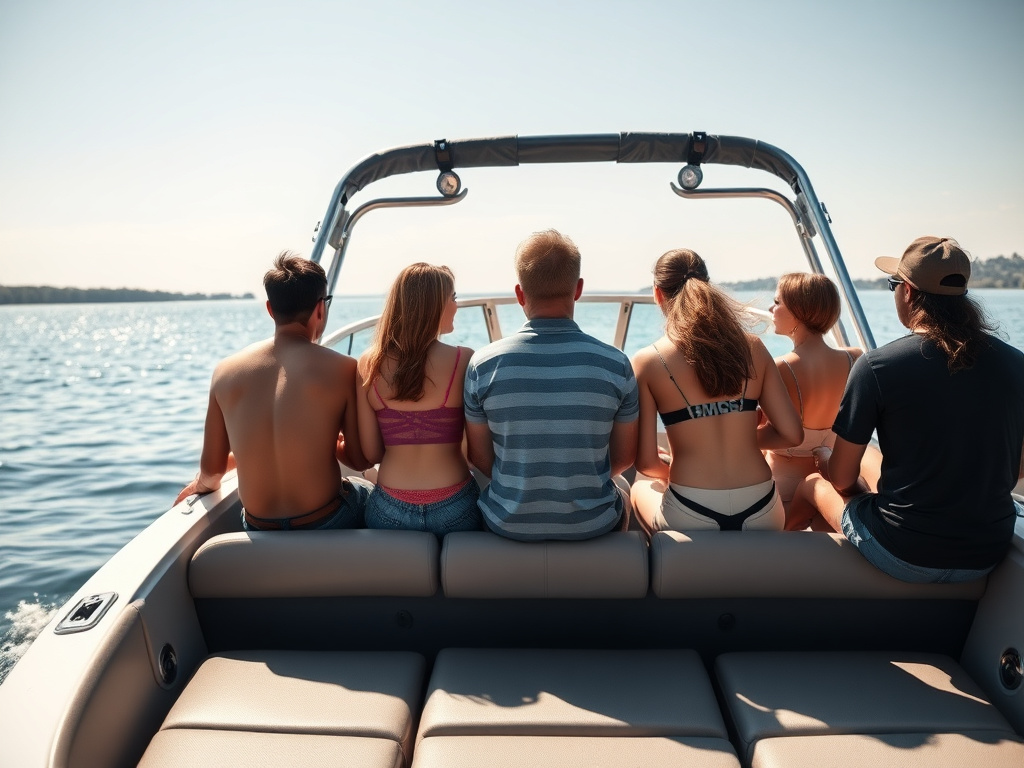
Wake boats are social boats — a full day at the sandbar, rotating riders behind the boat, spotters watching the line, and a boat full of passengers between sets is the norm, not the exception. Guest & passenger liability coverage is built around that reality: it protects you if a guest, passenger, or towed rider is injured aboard the boat, boarding or exiting, or while being towed.
This coverage sits alongside on-water liability but deserves its own attention because of how directly wake-sport riding puts people in the water immediately around and behind the boat — a distinct exposure pattern from simple boat operation.
What's covered
- ✓Injury to a guest or passenger aboard the boat
- ✓Injury to a rider being towed — wakesurfing, wakeboarding, skiing, or tubing
- ✓Injury while a guest is boarding, exiting, or moving around the deck or swim platform
- ✓Medical payments coverage for a guest's injury regardless of fault (where added)
- ✓Legal defense costs if a guest or passenger claim leads to a lawsuit
- ✓Coverage for injuries involving a spotter or observer role, not just the rider themselves
Who needs this
- ✓Owners who regularly host groups at the sandbar or on group riding days
- ✓Owners who rotate multiple riders behind the boat per outing
- ✓Anyone who carries non-family passengers or guests regularly
- ✓Owners without a personal umbrella policy that would otherwise add a liability cushion
- ✓Boats used for informal group coaching or teaching new riders
Why wake boats carry a distinct guest-liability profile
A rider wakesurfing close behind the transom, a wakeboarder catching air on a line, or a tuber bouncing across the wake all represent real injury exposure that's specific to how wake boats are actually used — closer proximity to the boat, more aggressive riding, and typically more riders rotating through per outing than a boat used mainly for cruising. Underwriters weight guest and passenger liability specifically with this pattern in mind, which is why it's broken out as its own coverage rather than folded quietly into general liability.
- Higher typical rider rotation per outing than a cruising-focused boat
- Closer rider proximity to the boat during wakesurfing specifically
- More aggressive riding (wakeboarding, tricks) raises injury severity potential
Medical payments coverage — the piece that actually gets used
Medical payments coverage, where added, pays a guest's medical costs directly and promptly, regardless of who was at fault — which is often the coverage that actually resolves a minor on-board or in-water injury without it ever escalating into a liability dispute. For a boat that regularly carries guests and rotates riders, this is worth carrying at a meaningful limit, not treating as an afterthought.
Setting the right limit for how you actually ride
If you regularly host larger groups, teach newer riders, or rotate through several people per outing, a higher guest/passenger liability limit is worth the modest added cost relative to the exposure. Tell us honestly about your typical outing — how many people, how experienced, how aggressive the riding — and we'll help you size the limit to match.
What Drives The Cost
What Affects Guest & Passenger Liability Pricing
| Typical passenger/rider count | Boats that regularly carry larger groups factor into guest-liability underwriting. |
|---|---|
| Riding style intensity | More aggressive wakeboarding/tricks riding carries somewhat higher injury-severity potential than casual wakesurfing. |
| Selected limit | Higher limits cost proportionally less than the jump in protection they provide. |
| Medical payments limit | A meaningful medical payments limit resolves more minor claims directly, without escalation. |
| Coaching/teaching use | Regularly teaching newer riders is worth disclosing, as it affects realistic injury exposure. |
Common Questions
Guest & Passenger Liability FAQ
Is guest liability different from general on-water liability?
+
They're closely related, but guest & passenger liability specifically addresses injury to people aboard or being towed behind your boat, while on-water liability more broadly covers injury or property damage to other boats, docks, and third parties. Most wake boat policies carry both together.
Does this cover a wakesurfer or wakeboarder injured while being towed?
+
Yes — injury to a rider being towed, whether wakesurfing, wakeboarding, skiing, or tubing, is a core part of this coverage, which reflects how central towed riders are to how wake boats are actually used.
What does medical payments coverage actually do?
+
It pays a guest's medical costs directly and promptly, regardless of fault — often the coverage that resolves a minor injury quickly without it turning into a larger liability claim or dispute.
Should I carry a higher limit if I regularly host large groups?
+
Yes — if you regularly host larger groups, teach newer riders, or rotate through several riders per outing, a higher guest/passenger liability limit is worth the modest added cost given the realistic exposure.
Related Coverage
You Might Also Need
On-Water Liability
The foundation of every wake boat policy — bodily injury and property damage liability from operating your boat and towing riders.
Learn moreWatersports Gear Coverage
Wakeboards, surfboards, ropes and handles, life vests, and portable electronics kept aboard — protected against theft, weather, and loss.
Learn moreWake Boat vs. Ski/Runabout
Wakesurf, wakeboard, and ski/runabout boats aren't the same insurance risk — here's exactly what changes and why it matters for your coverage.
Learn moreGet wake boat coverage built around how you ride
Tell us about your boat, your ballast/tower setup, and how you actually ride and we'll come back with a coverage combination priced to your real usage — not a flattened generic boat quote.