Seasonal Coverage · 6 min read
Seasonal Lay-Up Coverage for Wake Boats: How It Works and What It Saves
Winterization, ballast-system storage, and the real savings mechanics behind the single biggest lever on your annual wake boat premium.
July 20, 2026
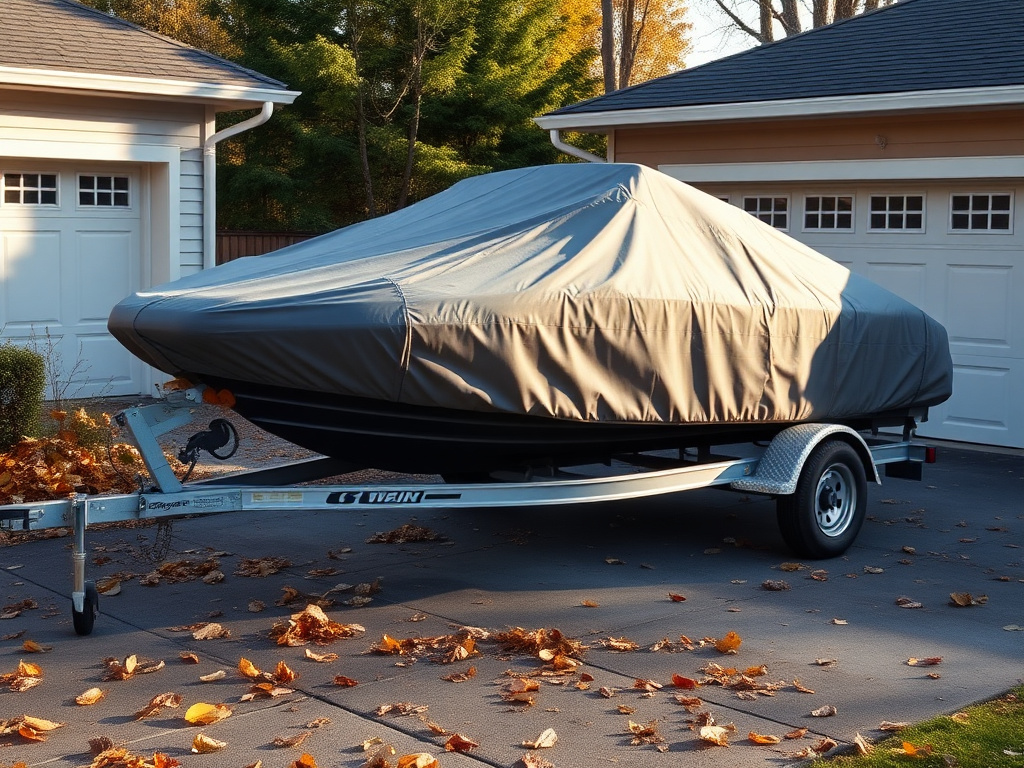
Most wake and surf boats in most inboard markets sit stored for a real, multi-month off-season — commonly 4 to 7 months a year depending on climate. If you're still paying full operational-liability premium year-round on a boat that's winterized and sitting in storage half the year, seasonal lay-up coverage is very likely the fastest, easiest change you can make to your policy.
How lay-up coverage actually works
You set in-season and lay-up dates on your policy, matched to when you actually ride rather than a generic regional default. During in-season, you carry full coverage — on-water liability, towing-sport liability, physical damage, all of it. During lay-up, operational liability and towing-sport coverage step down or pause, while fire, theft, vandalism, and weather protection stay active the entire time the boat is stored.
Why ballast winterization deserves specific attention
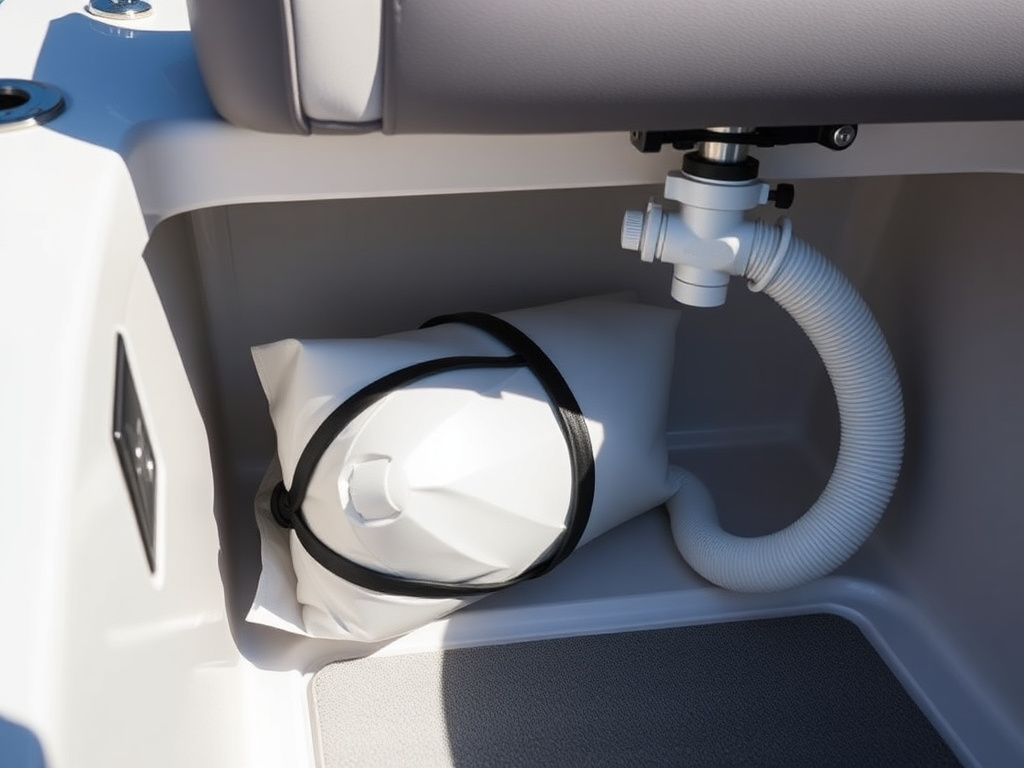
This is where wake boats differ from a generic lay-up conversation. Ballast tanks, bags, and fill/pump lines that retain water over winter are a well-documented source of freeze-related damage claims — cracked fittings, split bags, and pump failures that often don't surface until spring re-launch, when it's too late to have caught the problem early. Because this is specific to wake and surf boats and doesn't come up in a generic boat lay-up conversation, we walk through your ballast system's winterization procedure directly as part of setting up your lay-up dates.
- Drain all ballast tanks, bags, and lines completely before lay-up
- Run antifreeze through ballast pump systems per manufacturer guidance
- Confirm fill/drain valves are left open, not closed, for the storage period
- Store the boat indoors or under proper cover where freeze exposure is a real risk
What lay-up coverage can actually save you
Savings depend on your boat's agreed value and how much of the year it's genuinely out of use, but for owners with a true multi-month off-season, lay-up coverage is typically the single biggest lever on total annual premium — often a bigger swing than any other single coverage decision you'll make. A boat stored 5-6 months a year in a colder-climate market commonly sees a meaningful reduction in blended annual premium once lay-up dates are properly matched to the real season.
Lay-up coverage isn't about paying less for less protection — physical damage protection against fire, theft, and weather stays active the whole time your boat is stored. It's about not paying full operational-liability premium for months you're not actually on the water.
Setting accurate dates
The most common mistake here isn't skipping lay-up coverage entirely — it's setting dates that don't match reality, either too conservative (leaving savings on the table) or too aggressive (risking a coverage gap if you launch outside your declared window). If your plans shift mid-season, call before launching outside your stated dates so we can adjust rather than risk a gap for an unplanned trip.
Putting it together
Seasonal lay-up coverage, done right for a wake boat, is really two things at once: an honest reflection of when you actually ride, and a direct conversation about ballast winterization that reduces your odds of a preventable freeze-damage claim. Both are worth five minutes with an agent who actually asks the right questions.
Quick Answers
Related Questions
Can I insure my wake boat only for the months I actually ride?
+
Yes — that's exactly what seasonal lay-up coverage is built for. You set an in-season window matched to your real riding season, and coverage adjusts accordingly, while physical damage protection stays active year-round.
Do I need to fully winterize my ballast system for lay-up coverage to apply?
+
Lay-up coverage itself is tied to your stated dates and storage details rather than a rigid checklist, but properly draining and winterizing your ballast system is genuinely good practice — it materially reduces the odds of a freeze-damage claim at spring re-launch.
Keep Reading
More Guides

Get wake boat coverage built around how you ride
Tell us about your boat, your ballast/tower setup, and how you actually ride and we'll come back with a coverage combination priced to your real usage — not a flattened generic boat quote.