Cost & Coverage · 13 min read
Wake Boat Insurance: The Complete Guide to Coverage & Cost (2026)
Every coverage explained, real dollar ranges, and the tower/ballast equipment gap most insurers never mention — the guide most generic boat insurance pages don't publish.
July 30, 2026

Ask five different insurers what wake boat insurance costs and you'll get five versions of "it depends." That's technically true — but it's not an excuse to leave wake and surf boat owners guessing, especially when a modern inboard wake boat with a tower, ballast system, and surf gate can easily represent a $60,000 to $200,000+ investment. This guide does what most large-carrier boat insurance pages don't: it walks through every coverage a wake boat owner actually needs, explains what drives the price, and gives you real dollar ranges so you can budget before you ever request a quote.
Whether you've got a modest wakeboard boat you take out on weekends or a loaded wakesurf-specific rig with a full aftermarket ballast system and surf gate, by the end of this guide you'll understand exactly what you're buying, roughly what it should cost, and the coverage mistakes that quietly cost wake boat owners the most when a claim actually happens.
What makes wake boat insurance different from generic "boat insurance"
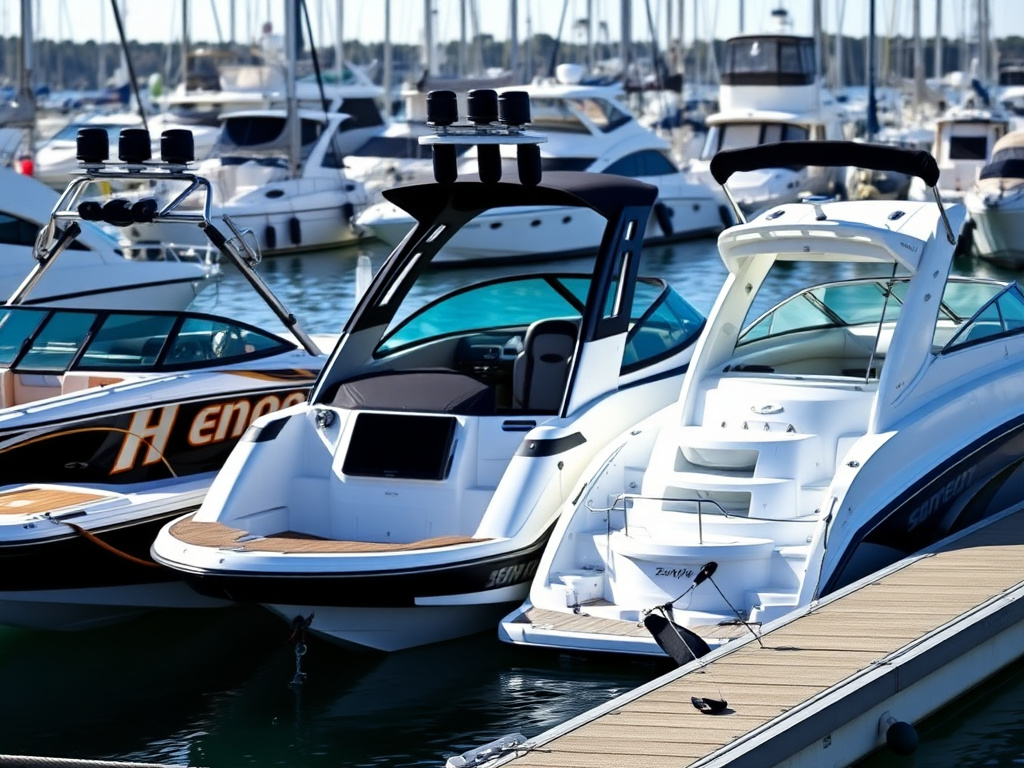
Wake boat insurance is a specialized branch of recreational marine insurance built around how wake and surf boats are actually used and equipped: inboard direct-drive or V-drive power instead of an outboard, a tower with racks and speakers, an integrated or aftermarket ballast system that can add tens of thousands of dollars in value, and riders in the water directly behind (or very close beside) the boat on nearly every outing. A generic boat insurance policy can technically cover a wake boat, but it's often built around a broader range of use cases — offshore fishing, general cruising — that don't ask the right questions about tower, ballast, or towed-rider exposure.
Because of that, a real wake boat insurance program is assembled from several purpose-built pieces. The core is on-water liability and agreed value physical damage coverage. Around that core, wake-specific owners layer tower & ballast equipment coverage, engine & mechanical breakdown coverage sized to an inboard drivetrain, seasonal lay-up coverage, watersports gear coverage, towing and on-water assistance, and guest/passenger liability sized to how riders and groups actually use the boat. Let's take them one at a time.
The core coverages every wake boat owner needs
1. On-water liability coverage — the foundation
On-water liability coverage is the single most important piece of a wake boat policy. It responds when your boat causes bodily injury or property damage to someone else — a collision with another vessel, an accident involving a rider you're towing, or damage to a dock or lift. Most marinas, lake clubs, and marine lenders require proof of it before you can dock or finance. Typical limits run $300,000 to $500,000, with $1,000,000 recommended for owners who tow riders on most outings or host large groups.
2. Agreed value physical damage coverage — protecting what the boat is actually worth
Liability protects you from lawsuits; physical damage protects the actual dollar value of your boat — but for a wake boat, that value is concentrated as much in the tower, ballast system, and surf gate as it is in the hull itself. Agreed value coverage fixes a pre-set payout with no depreciation argument, which matters far more here than on a bare-hull boat, since an actual-cash-value adjuster will often undervalue exactly the equipment that makes the boat what it is.
3. Tower & ballast equipment coverage — the wake-specific gap most policies miss
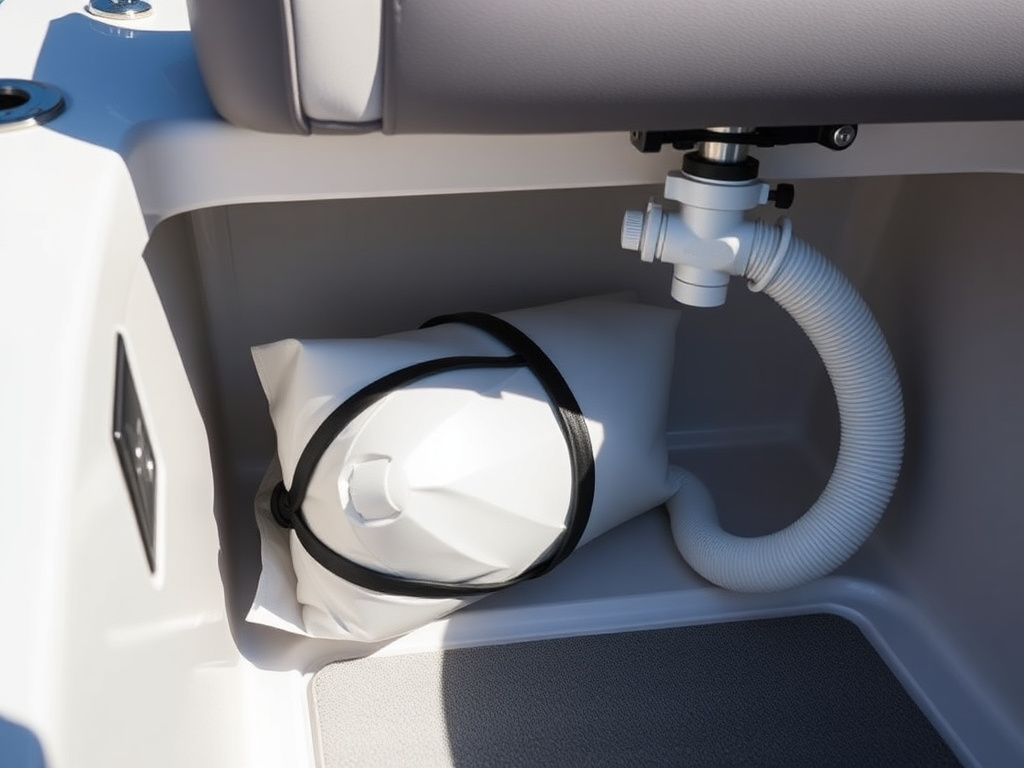
This is the coverage category most generic boat insurers simply don't ask about. A wake tower, an integrated or aftermarket ballast system, a surf gate, and tower-mounted audio can add $10,000 to $40,000 or more on top of a boat's base hull value. If that equipment isn't specifically itemized and declared, it's easy for it to end up under-covered — bundled into a generic accessory sublimit that doesn't come close to real replacement cost.
The three-piece foundation for a wake boat: on-water liability (lawsuits), agreed value physical damage (your hull), and tower & ballast equipment (the gear that actually makes it a wake boat). A wake-specific policy treats all three as central, not as afterthoughts bolted onto a generic boat template.
The wake-specific coverages that round out a real program
Beyond the three core pieces, a well-built wake boat program adds coverage that reflects exactly how these boats are actually built and ridden:
- Engine & mechanical breakdown coverage — sized to how direct-drive and V-drive inboard drivetrains actually fail and get repaired, distinct from a typical outboard.
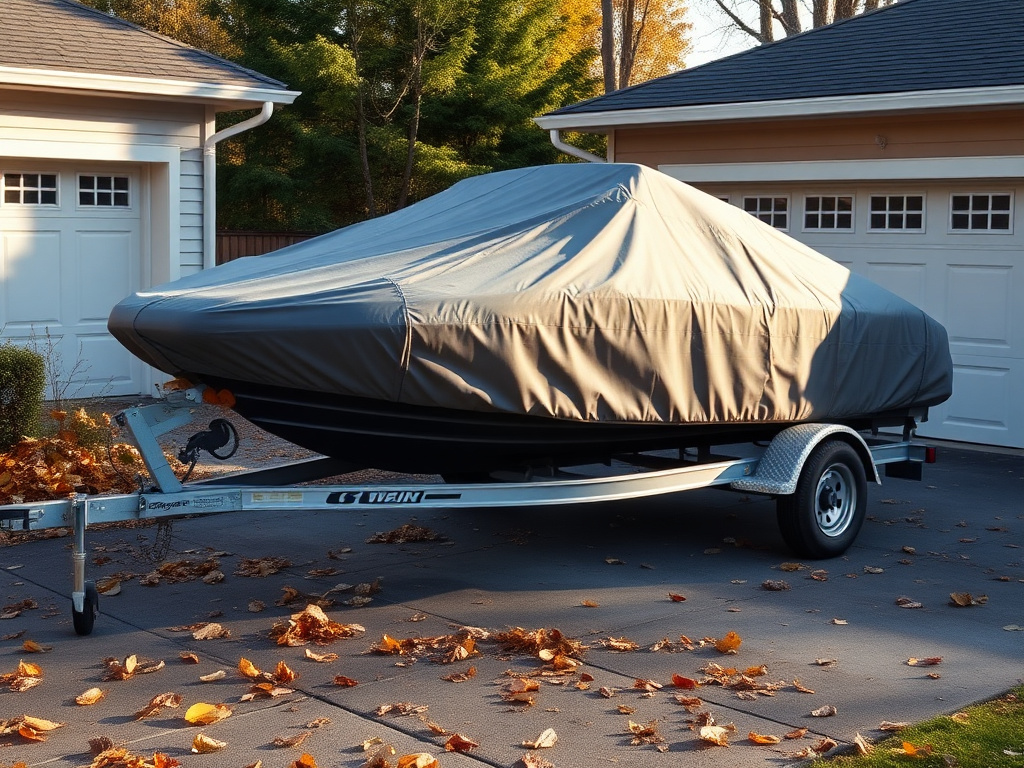
- Seasonal & lay-up coverage — automatically reduces liability premium while the boat is winterized and stored, matched to your real riding season, and ballast-system-aware to reduce freeze-damage risk.
- Watersports gear & personal property coverage — boards, ropes, life vests, and portable electronics kept aboard, which homeowners policies often exclude or sharply limit.
- Towing & on-water assistance — a tow back to the ramp, jump-starts, and fuel delivery after a mechanical breakdown.
- Guest & passenger liability — sized to how many riders you actually rotate through per outing and how close they ride to the boat.
How much does wake boat insurance cost in 2026?
Here's the part everyone actually wants. Premium is driven primarily by your boat's agreed value (hull plus tower/ballast/surf-gate equipment), horsepower, your navigational limits, your selected liability limit, your lay-up dates, and your claims history. These are typical, real-world illustrative ranges for a core liability + agreed value physical damage package — your actual quote depends on your specific boat and situation.
Entry-level wakeboard boat, modest tower and ballast
A 20-22 foot wakeboard boat with a factory tower, modest ballast, and a mid-range inboard engine, insured with agreed value coverage, typically runs $500 to $950 per year for a solid liability + physical damage package, before lay-up savings are applied. Add lay-up coverage matched to a realistic 5-6 month season and the effective annual cost often lands meaningfully lower.
Loaded wakesurf/wakeboard boat with aftermarket ballast and surf gate
A 23-25 foot wakesurf-focused boat with a substantial integrated or aftermarket ballast system, surf gate, premium tower audio, and higher-horsepower inboard — the kind of boat that regularly carries a full crew and rotates riders all day — typically runs $950 to $2,200 per year for a full program including higher liability limits, correctly itemized tower/ballast equipment, and personal property coverage.
Multi-lake, connected-waterway, or higher-value flagship models
Owners who trailer between several lakes, boat on larger connected waters, or own a flagship-tier wake boat with a full aftermarket equipment package should expect a premium above the baseline ranges above — broader navigational limits and higher total insured value both factor into the rate. Expect $1,500 to $3,500+ depending on the boat and specific waters.
Ranges are illustrative, not quotes. The fastest way to a real number is a quick conversation — call 844-967-5247 and we'll build an actual figure around your boat, your tower/ballast setup, and how you actually ride.
What drives your premium up (and down)
Understanding the levers helps you control cost without cutting the coverage that actually matters. The biggest factors:
- Agreed value and declared equipment — accurately itemizing tower, ballast, and surf-gate equipment costs somewhat more but removes the depreciation fight at claim time.
- Seasonal lay-up dates — a realistic, well-matched in-season window is the single biggest lever for owners with a true off-season.
- Navigational limits — a single-lake policy is typically the most cost-effective; broader multi-lake or connected-water limits cost more.
- Horsepower and engine configuration — higher-horsepower inboards rate somewhat higher across both liability and physical damage.
- Selected liability and guest/passenger limits — the jump from $300K to $500K liability, or adding a realistic guest liability limit, usually costs less than owners expect.
- Claims and loss history — a clean multi-year record earns credits over time, just like other lines of insurance.
The coverage mistakes that cost wake boat owners the most
In our experience, a handful of avoidable mistakes cause the worst outcomes for wake boat owners at claim time:
- Not itemizing tower, ballast, and surf-gate equipment — this is the single biggest gap we see, and it's entirely avoidable by simply declaring the equipment up front.
- Assuming homeowners insurance covers the boat — most homeowners policies exclude or sharply limit liability for boats above a modest horsepower threshold, which a typical wake boat's 300+ hp inboard usually exceeds.
- Canceling the policy for the off-season instead of using lay-up coverage — this risks a gap in fire/theft/weather protection during storage, exactly when a stored boat is exposed.
- Underinsuring watersports gear — a wakesurf board, a wakeboard, several ropes, and a season's worth of life vests routinely exceed $2,000-$5,000 without owners realizing it.
- Choosing actual cash value on a boat with significant aftermarket equipment — the premium savings rarely offset the depreciation gap on a total-loss claim once tower/ballast equipment is factored in.
- Improper or incomplete ballast winterization — a documented, avoidable source of freeze-damage claims that proper lay-up procedure directly reduces.
- Skipping guest/passenger-specific liability review — a wake boat's close-proximity towed-rider exposure deserves a real limit, not an afterthought.
What real wake boat claims look like
It's easier to understand why each coverage exists when you see the losses it actually pays. A few representative examples:
- Wakesurfing accident: A rider is injured surfing close behind the boat. On-water and guest liability coverage responds to the claim and funds legal defense if needed; medical payments coverage (where added) pays the rider's medical bills directly, regardless of fault.
- Tower damage from a low bridge or dock overhang: Physical damage and tower & ballast equipment coverage responds to repair or replace the tower and any mounted racks or audio equipment, valued at real replacement cost when properly itemized.
- Ballast bag freeze damage after incomplete winterization: A claim tied directly to lay-up and winterization procedure — proper disclosure and ballast-aware lay-up coverage are what stand between this being a covered claim and an avoidable, costly surprise.
- Theft of tower speakers at an exposed dock: Tower & ballast equipment coverage responds specifically to this loss category when the equipment has been declared and itemized, rather than falling into a low generic accessory sublimit.
- Hydrolock after a covered swamping event: Engine & mechanical breakdown coverage addresses inboard-specific water-ingestion damage from a covered peril, which typically involves more integrated repair work than a comparable outboard failure.
Getting a policy that actually fits your boat
The single biggest lever you have, as a wake boat owner, is making sure your policy is built from an accurate, itemized picture of your specific boat — hull, tower, ballast system, surf gate, audio, and how you actually ride — rather than a generic boat template with your boat type typed into a form field. That's the difference between a policy that pays cleanly on a claim and one that leaves you arguing over depreciation or scope at exactly the moment you can least afford it.
If you're ready to see real numbers for your specific boat, the fastest path is a direct conversation — call 844-967-5247 or use our quote form, and a licensed agent will build a coverage combination around your actual boat and your actual riding season, usually with a same-day response.
Quick Answers
Related Questions
How much does wake boat insurance typically cost per year?
+
For a mid-range wakeboard boat with a factory tower and modest ballast, typical annual cost runs $500-$950 for a solid liability + agreed value physical damage package. A loaded wakesurf boat with aftermarket ballast and a surf gate typically runs $950-$2,200. These are illustrative ranges — your actual quote depends on your specific boat, equipment, and use.
What's the single most important coverage for a wake boat?
+
On-water liability is the foundational coverage every owner needs, but tower & ballast equipment coverage is the one most likely to be missing or under-scheduled on a generic boat policy — and often the most expensive gap if it's not addressed.
Does agreed value coverage include my tower and ballast system?
+
It can, as long as that equipment is specifically declared and included in your stated insured value. Itemizing tower, ballast, and surf-gate equipment when you're quoted is the single best way to make sure your agreed value actually reflects your real boat.
How fast can I get a wake boat insurance quote?
+
Most quote requests submitted through our quote form or by phone get a same-day response from a licensed agent during business hours — call 844-967-5247 or use the quote form to get started.
Keep Reading
More Guides
Get wake boat coverage built around how you ride
Tell us about your boat, your ballast/tower setup, and how you actually ride and we'll come back with a coverage combination priced to your real usage — not a flattened generic boat quote.